Category: 2026 Articles

KWAZULU-NATAL COGTA CHAIR NOTES UMDONI MUNICIPALITY COURT JUDGMENT

KWAZULU-NATAL COGTA CHAIR NOTES UMDONI MUNICIPALITY COURT JUDGMENT

Ms. Marlaine Nair, Chairperson of the Portfolio Committee on Cooperative Governance and Traditional Affairs (COGTA), notes the High Court ruling regarding the ongoing dispute over the Acting Municipal Manager position at Umdoni Local Municipality.

The court struck the application filed by the MEC for COGTA, Reverend Thulasizwe Buthelezi, from the roll. The presiding judge ruled that the MEC’s founding affidavit was inadmissible and determined that the criteria for urgent legal intervention had not been met.

In response to the ruling, Nair stated:
“Crucially, this judgment does not provide a final resolution to the ongoing dispute regarding the administrative leadership of Umdoni Municipality. From an oversight standpoint, the persistent instability is troubling. A municipality cannot operate effectively while there is continued uncertainty surrounding one of its most senior administrative roles, and as long as disputes over its leadership remain a recurring matter for the courts.”

Nair added that residents of Umdoni required certainty, lawful decision-making and stable administrative leadership.
“Political and administrative disagreements cannot be allowed to undermine the functioning of the municipality or the delivery of services. The CoGTA Portfolio Committee will continue to monitor developments at Umdoni and the steps being taken to restore stability and proper governance.”

She said ultimately the focus must remain on a municipality that is properly governed and able to deliver services to its residents.

Read More

COGTA COMMITTEE DEMANDS MEASURABLE RESULTS AFTER YEARS OF INTERVENTIONS AT UTHUKELA DISTRICT MUNICIPALITY

COGTA COMMITTEE DEMANDS MEASURABLE RESULTS AFTER YEARS OF INTERVENTIONS AT UTHUKELA DISTRICT MUNICIPALITY

The Portfolio Committee on Cooperative Governance and Traditional Affairs of the KwaZulu-Natal Legislature concluded its Section 132 hearing on uThukela District Municipality with a clear concern that fundamental financial, governance, and service-delivery issues persist despite years of government intervention and support.

uThukela has received seven consecutive qualified audit opinions. The information before the Committee also reflected approximately R1.2 billion in gross consumer debt, R1.314 billion in accumulated unauthorised, irregular, fruitless and wasteful expenditure, and water losses of 65%.

These are not simply figures in financial reports. They ultimately affect the municipality’s ability to deliver its most important responsibility – reliable water and sanitation services.

The Committee heard that communities continue to depend on water tankers where permanent infrastructure is inadequate or unavailable. We have therefore directed the municipality to provide a transparent water-tanker distribution plan showing which communities depend on tankers, how they are allocated and, importantly, what permanent solutions are planned.

The municipality must also provide quarterly targets for reducing the 65% water loss and report on the compliance status of each of the eight wastewater areas identified by the Auditor-General.

Another serious concern is revenue management. Of 982 accounts investigated for recording zero water consumption, all were found to be consuming services and 583 were incorrectly billed at zero. The Committee wants to know what has happened to those accounts, how many meters have been repaired, replaced or relocated, what work remains and what measures are being implemented to recover revenue lost as a result of zero billing.

We have also called for answers on the Ezakheni pumps, including the status of the criminal case, the current whereabouts of the pumps and the costs associated with their assessment and repair.

But one of the biggest questions arising from this hearing goes beyond individual failures.

uThukela has been subjected to successive interventions and support measures involving different spheres of government and institutions. These have included Section 139 intervention, intensified Section 154 support and the Section 63 intervention in water and sanitation.

The Committee has therefore asked CoGTA to explain the basis for moving uThukela from Section 139 intervention to intensified Section 154 support and, critically, to identify the single coordinating authority responsible for the various interventions and support programmes at uThukela.

We need to know who is ultimately responsible for ensuring that these interventions work together, that commitments are implemented and that progress is measured.

The Committee has also demanded a comprehensive account of consequence management, identifying who has been held accountable, the disciplinary action taken, financial recoveries made, matters referred to law enforcement and the outcomes of any prosecutions or other legal processes.

Governance must also function effectively. The Committee has requested a report on the effectiveness of Council oversight, including councillor attendance, the working relationship between Council and the administration, the handling of questions submitted by councillors and whether MPAC is functioning effectively as an accountability mechanism.

CoGTA must separately report on all Section 106 investigations relating to uThukela, including their findings, recommendations and outcomes, as well as reasons for delays where investigations remain outstanding.

The concern is no longer whether uThukela has received enough plans, support or intervention. There have been many.

The question is what has actually changed as a result.

After seven consecutive qualified audits, success cannot be measured by meetings held, committees established or action plans produced.

It must be measured by water losses coming down, wastewater facilities becoming compliant, revenue being correctly billed and collected, financial stability improving, wrongdoing resulting in consequences and communities receiving reliable services.

That is the measurable progress the Committee will now expect to see when the municipality and CoGTA report back on the resolutions arising from this hearing.

Read More

COGTA PORTFOLIO COMMITTEE FOLLOWS UP ON MSUNDUZI GOVERNANCE AND SUPPORT MEASURES

COGTA PORTFOLIO COMMITTEE FOLLOWS UP ON MSUNDUZI GOVERNANCE AND SUPPORT MEASURES

The KwaZulu-Natal Legislature’s CoGTA Portfolio Committee is following up on resolutions arising from its Section 132 hearing with Msunduzi Municipality on 5 August 2026, amid recent developments concerning governance, administration and service delivery.

During the hearing, the Committee raised a number of concerns and adopted resolutions requiring further reporting and corrective action.

Since then, further concerns have emerged publicly around governance and administrative capacity, including the qualifications of certain senior officials and recent labour instability which disrupted service delivery.

The Committee has also received a submission from the Msunduzi Municipal Audit Committee dated 26 August 2026, raising concerns regarding the backlog and non-processing of reports before Council and MPAC, including matters involving internal audit, forensic investigations, material irregularities and governance.

Several of these issues intersect directly with matters already raised during the Committee’s Section 132 process.

During the hearing, the Committee was also informed that cooperation from the Municipality with the Premier’s Msunduzi Working Group had been a challenge. The Committee was subsequently advised that the Working Group had resumed its work.

As we approach one month since the hearing, I have written to the MEC for CoGTA requesting a consolidated progress report on the implementation of the Committee’s resolutions, the progress of the Premier’s Msunduzi Working Group and the Section 154 support being provided to the Municipality.

The Committee wants to establish whether cooperation has improved, what measurable progress has been achieved since the Working Group resumed its work, and how the Premier’s Working Group and Section 154 support are being coordinated.

It is important that the different support measures work together effectively, with clear responsibilities and accountability for outcomes.

The question for the Committee is therefore not simply what support structures are in place, but whether they are working, whether they are working together and whether they are producing measurable improvements in governance, administration and service delivery.

Our responsibility as a Portfolio Committee is not only to identify concerns, but to follow through on resolutions and commitments and assess whether corrective measures are producing results.

The Committee will consider the reports submitted to it and determine whether any further oversight action is required.

ENDS

Issued by:
Hon. Marlaine Nair, MPL
Chairperson: Portfolio Committee on Co-operative Governance and Traditional Affairs
KwaZulu-Natal Legislature

Read More

RIGOROUS OVERSIGHT DELIVERS RESULTS AS MADADENI CLOTHING AND TEXTILE HUB REACHES COMPLETION

RIGOROUS OVERSIGHT DELIVERS RESULTS AS MADADENI CLOTHING AND TEXTILE HUB REACHES COMPLETION

The KwaZulu-Natal Legislature’s Portfolio Committee on Economic Development and Tourism has welcomed the remarkable turnaround at the Madadeni Clothing and Textile Hub in Newcastle, describing its completion as evidence that rigorous legislative oversight, coupled with a responsive and capable developmental state, can deliver tangible results for communities.

When the Committee conducted oversight at the facility in 2024, construction had stalled amid funding constraints and disruptions, placing the future of this strategic public investment at risk. The Committee raised serious concerns and demanded corrective action.

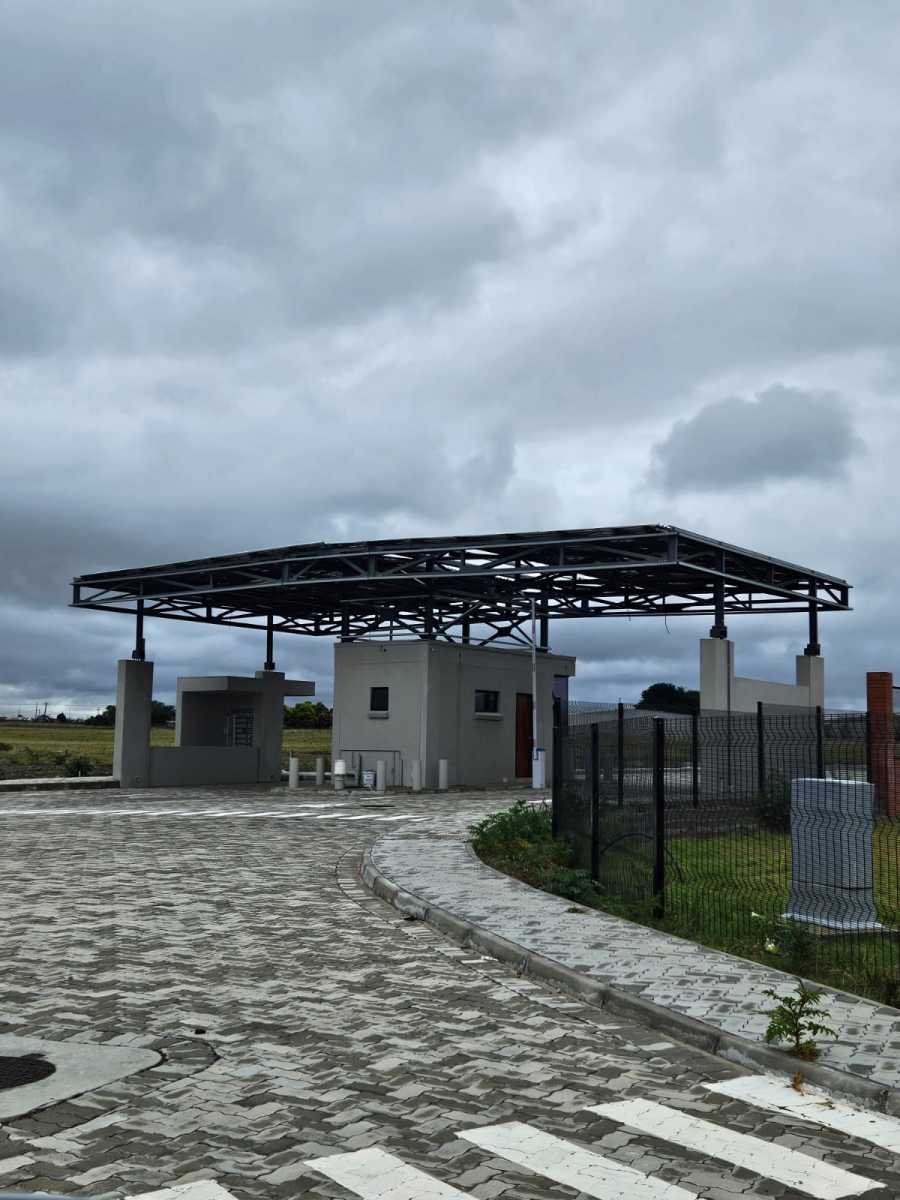
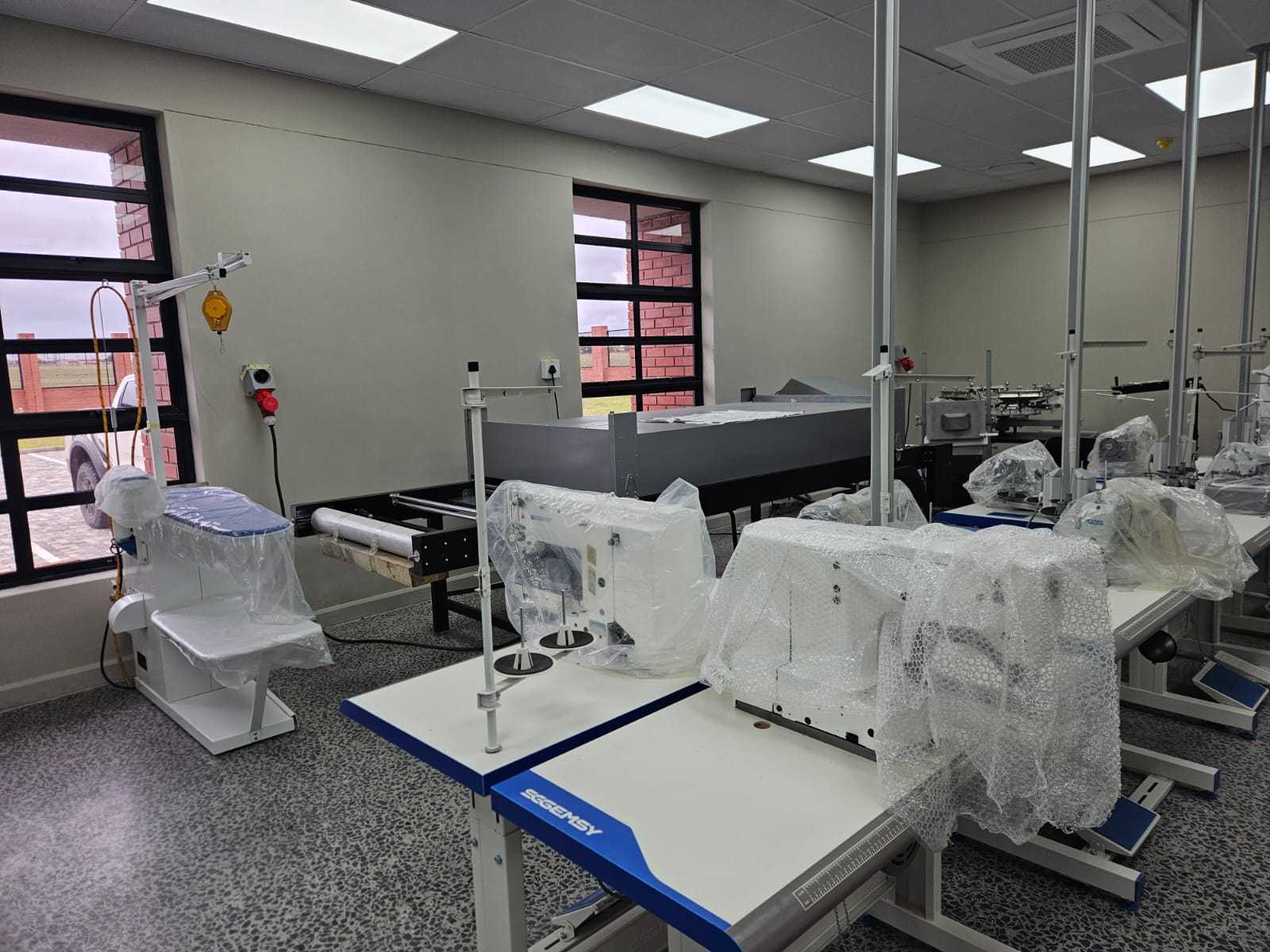
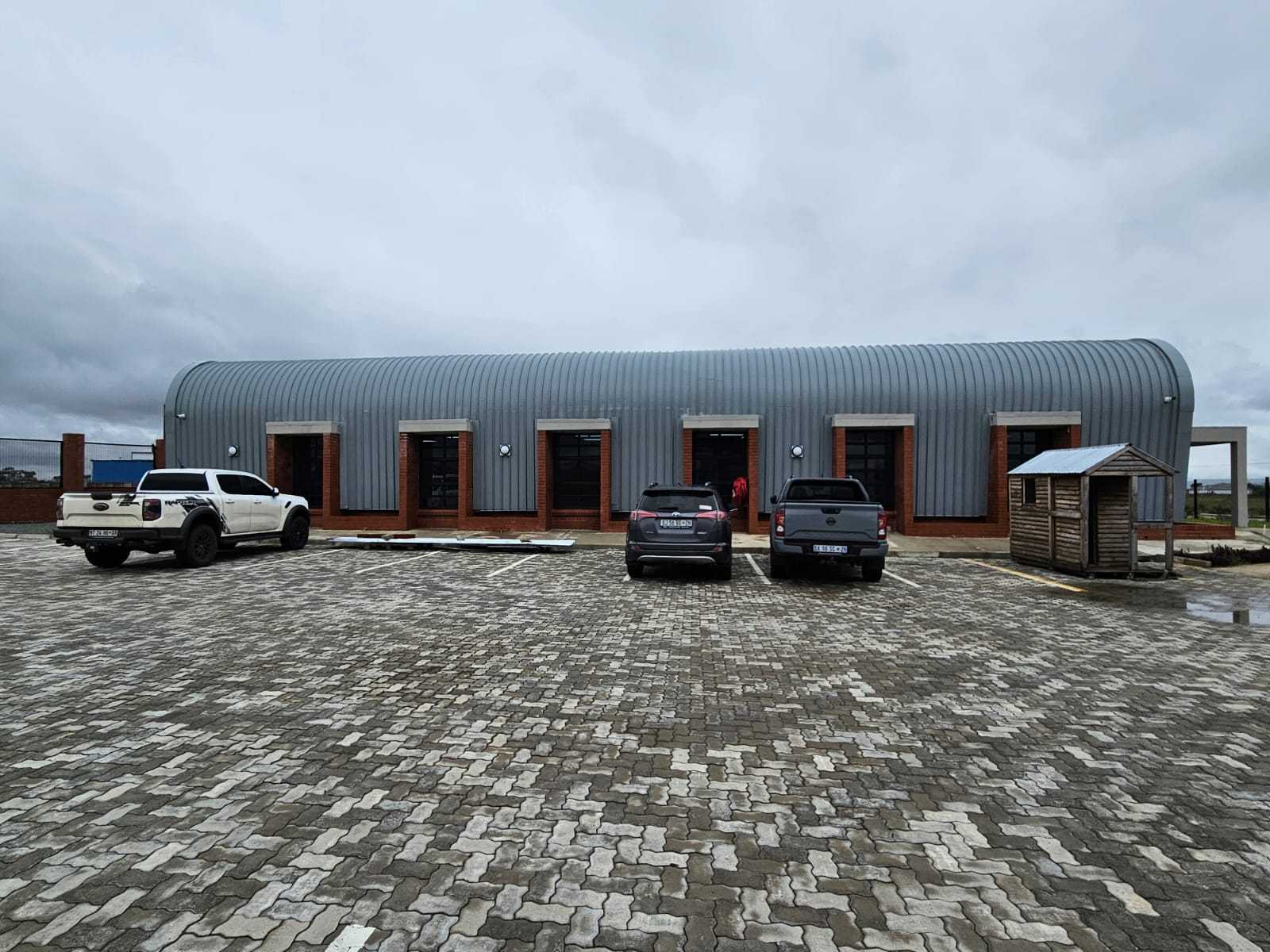
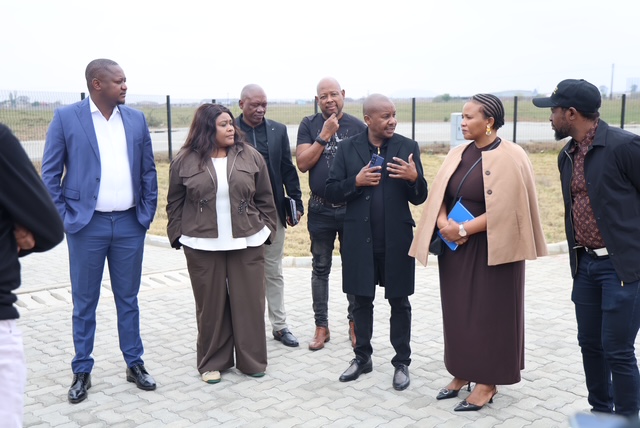
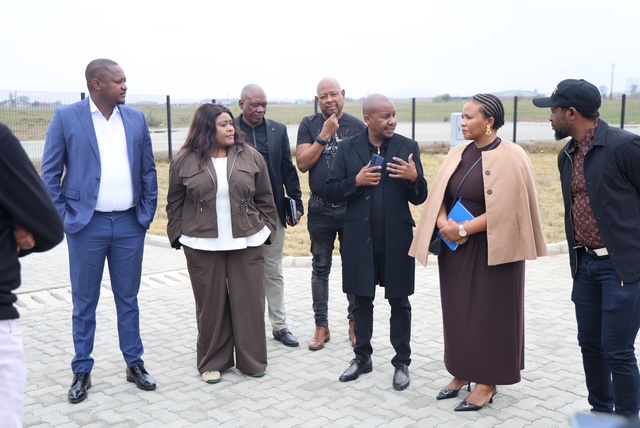
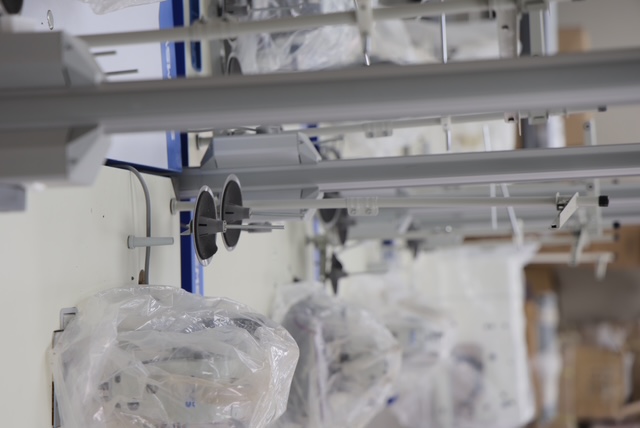
During a follow-up oversight visit on 26 August 2026, the Committee found a fundamentally transformed project. Construction has been completed, modern machinery and equipment have been installed, and the facility has emerged as a state-of-the-art hub ready to transition from infrastructure development to full-scale textile and apparel production.

Committee Chairperson, Honourable Mafika Sangweni, said the turnaround demonstrates why legislative oversight must ultimately be measured by improvements in the lives of citizens.

“Where we previously encountered a stalled project, today we walked into a state-of-the-art productive facility. This is oversight producing results. The purpose of oversight is not merely to identify what is wrong, but to ensure that what is wrong is corrected and that public resources ultimately produce measurable developmental outcomes.”

Hon. Sangweni commended the KwaZulu-Natal Department of Economic Development, Tourism and Environmental Affairs and Ithala, a state entity and the implementing agent, for responding decisively to the matters raised by the Committee and ensuring that the project reached completion.

“The role played by Ithala is particularly significant. It demonstrates that public institutions, when properly governed, capacitated and held accountable, can be effective instruments of economic transformation. This is the essence of a capable developmental state: a state that does not merely regulate economic activity from a distance, but possesses the institutional capacity to intervene strategically, build productive assets and expand economic opportunity.”

The Committee stressed, however, that completing the infrastructure represents only the first phase of success. The next test will be whether this investment becomes a functioning centre of production, industrial development and employment.

“The machinery must now produce, enterprises must grow, skills must be developed and markets must be opened. This facility must become a centre for textile and apparel production, SMME incubation, localisation and skills development, with particular emphasis on opportunities for women and young people in Madadeni and the broader Amajuba District.”

Hon. Sangweni said the Madadeni facility must ultimately contribute to rebuilding local productive capacity and ensuring that public investment generates sustainable economic activity.

“A developmental state must be visible in the material conditions of its people. It must transform public resources into productive capacity, productive capacity into enterprises, and enterprises into sustainable jobs. What now stands in Madadeni demonstrates what coordinated state intervention, backed by rigorous oversight, can achieve.”

The Portfolio Committee will continue exercising oversight over the operationalisation of the Hub to ensure that the investment moves beyond the completion of buildings and equipment and delivers sustainable production, market access, growing enterprises and long-term employment.

ISSUED BY:
HONOURABLE MAFIKA SANGWENI
CHAIRPERSON: PORTFOLIO COMMITTEE ON ECONOMIC DEVELOPMENT AND TOURISM
KWAZULU-NATAL LEGISLATURE


Read More

HAMMARSDALE WASTEWATER REHABILITATION MUST KEEP PACE WITH FUTURE DEVELOPMENT

HAMMARSDALE WASTEWATER REHABILITATION MUST KEEP PACE WITH FUTURE DEVELOPMENT

The rehabilitation of the Hammarsdale Wastewater Treatment Works is an important infrastructure intervention for eThekwini and must ultimately provide sufficient capacity to meet both current demand and future development.

Water and sanitation infrastructure has been a sustained area of interest for the KwaZulu-Natal Legislature’s CoGTA Portfolio Committee.

Earlier this year, the Committee undertook oversight of the Lower uMkhomazi Bulk Water Supply Scheme with uMngeni-uThukela Water, including visits to the Ngwadini Dam Off-Channel Storage Project in uMdoni and the Goodenough Abstraction Works in eThekwini Ward 99.

The latest eThekwini report to the NCOP now provides an important update on the Hammarsdale Wastewater Treatment Works.

The facility was designed to treat 27 megalitres, or 27 million litres, of wastewater per day. Its current effective treatment capacity has, however, fallen to approximately 8.5 megalitres per day.

The Municipality attributes this reduced capacity largely to the strength and chemical composition of incoming wastewater, together with ageing infrastructure and declining plant performance.

The current functional upgrade has an approved budget of approximately R260.9 million. At the time of reporting, around R202.4 million had been spent, with physical progress at 75% and financial progress at 77.5%.

Once complete, this phase is expected to restore treatment capacity to approximately 13.5 megalitres per day.

The project was originally due for completion in May 2026. The date was later moved to November 2026 and practical completion is now forecast for April 2027.

The Municipality has provided detailed reasons for the delays. These include additional refurbishment required on existing bioreactors, mechanical and electrical complications and further design and engineering work. Construction also uncovered old asbestos-cement pipes requiring specialised handling, as well as medium-voltage cables that were not reflected on existing drawings.

These are significant technical challenges and should be recognised.

As Chairperson, I nevertheless sought clarity on why the present upgrade would restore capacity to approximately 13.5 megalitres per day when the works was originally designed for 27 megalitres per day.

The Municipality has since explained that the current functional upgrade represents the first stage of the rehabilitation programme and that a further upgrade is intended to ultimately enable the plant to deal with 27 megalitres per day.

That clarification is important.

It is particularly relevant because the Municipality has indicated that restoring capacity at Hammarsdale is expected to support further development in the surrounding area, including industrial growth.

Development and wastewater infrastructure must be properly aligned.

Additional residential and industrial development cannot sustainably outpace the infrastructure required to collect and treat the wastewater it generates. This is especially important in Hammarsdale, where the nature of the incoming industrial wastewater is already identified as one of the factors limiting the plant’s effective treatment capacity.

The completion of the current project, followed by a clearly planned progression towards full treatment capacity, is therefore important not only for development but also for public health and environmental protection.

High Court matters concerning eThekwini’s wastewater infrastructure have also underscored the importance of properly functioning treatment systems and the prevention of sewage pollution.

Hammarsdale should be viewed against this broader responsibility.

Wastewater infrastructure must be capable of safely treating the volumes and loads placed upon it. Where treatment capacity does not keep pace with demand, the consequences can extend beyond service delivery to environmental degradation and risks to public health.

The current progress at Hammarsdale is therefore welcomed, while the next stage of the rehabilitation programme remains important.

I will follow up on the anticipated timeframe and implementation of the subsequent upgrade, particularly how this will align with planned development and the eventual restoration of the facility’s full 27-megalitre-per-day capacity.

The principle is simple: development must be supported by infrastructure capable of sustaining it, while wastewater systems must function at the level required to protect communities and the environment.

ISSUED BY THE CHAIRPERSON OF THE COGTA PORTFOLIO COMMITTEE, HONOURABLE MARLAINE NAIR
Read More

uTHUKELA SECTION 132 HEARING DEFERRED FOLLOWING ABSENCE OF POLITICAL LEADERSHIP

The KwaZulu-Natal Legislature’s CoGTA Portfolio Committee was unable to proceed with its scheduled Section 132 hearing with uThukela District Municipality today after appropriate political leadership was not available to account before the Committee.

Minutes before the hearing, the Municipal Manager informed the Committee that the Mayor would not be attending as he was undergoing a medical procedure. The Committee fully respects the Mayor’s medical circumstances.

However, the Speaker was also absent when the meeting was due to begin and arrived approximately an hour later.

The Committee attempted to secure the attendance of the Deputy Mayor so that the hearing could proceed. When he was eventually contacted, he indicated that he was in Durban, had other commitments and was unable either to attend in person or join the hearing virtually.

The Committee waited in an attempt to secure political representation, but ultimately resolved that the hearing should not proceed without the municipality’s political leadership being properly represented.

This was particularly concerning given the seriousness of the matters requiring accountability at uThukela.

The Auditor-General has reported that the municipality’s audit opinion has remained qualified for seven years, with little improvement in internal controls. In 2024/25, uThukela recorded water losses of 65% and an average creditor-payment period of 541 days. CoGTA further reported that, at 30 June 2026, the municipality’s collection rate stood at just 37%, with approximately R842 million in creditors outstanding for more than 30 days.

These are serious financial and service-delivery concerns, particularly for a district municipality responsible for water and sanitation.

The Committee therefore expressed its strong dissatisfaction that, despite this hearing being scheduled in advance, appropriate arrangements were not made to ensure that political leadership was available to account.

While the Mayor’s medical circumstances are understood, the failure to ensure alternative political representation meant that an important Legislature oversight process was frustrated.

The Committee will reconvene the hearing and expects the relevant political leadership to appear and account.

Should there be any further unjustified failure to appear, the Committee will consider using the formal powers available to the Legislature to compel attendance.

Accountability before the Legislature cannot be optional.

ISSUED BY HONOURABLE MARLAINE NAIR, THE CHAIRPERSON OF THE COGTA PORTFOLIO COMMITTEE

Read More

SPEAKER OF THE KWAZULU-NATAL LEGISLATURE CALLS FOR INCREASED FEMALE REPRESENTATION IN LOCAL GOVERNMENT LEADERSHIP POSITIONS

SPEAKER OF THE KWAZULU-NATAL LEGISLATURE CALLS FOR INCREASED FEMALE REPRESENTATION IN LOCAL GOVERNMENT LEADERSHIP POSITIONS

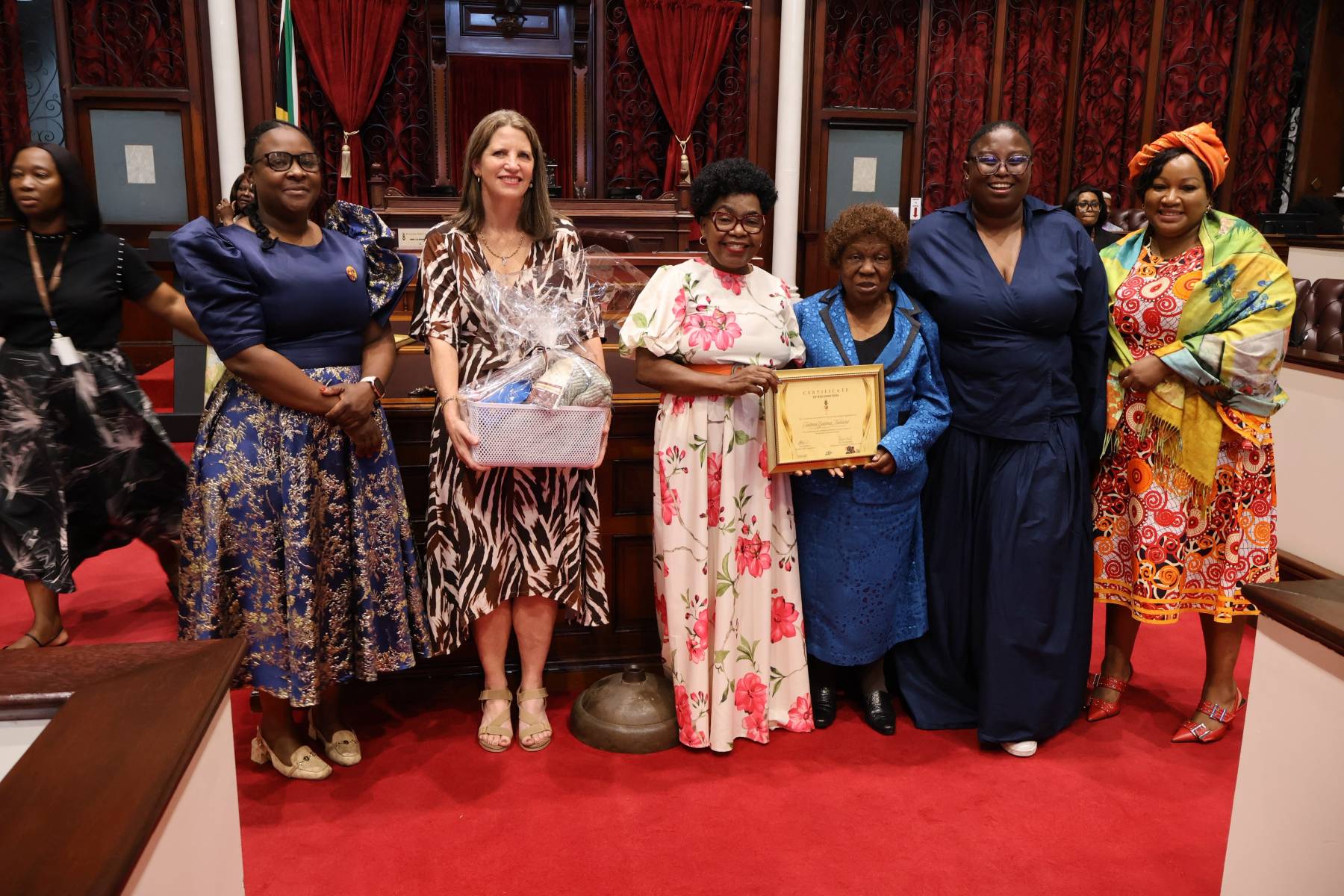
KwaZulu-Natal Legislature Speaker, Nontembeko Boyce, has urged the province’s women to actively advocate for increased female representation in key leadership positions as political parties prepare for the municipal elections on November 4.

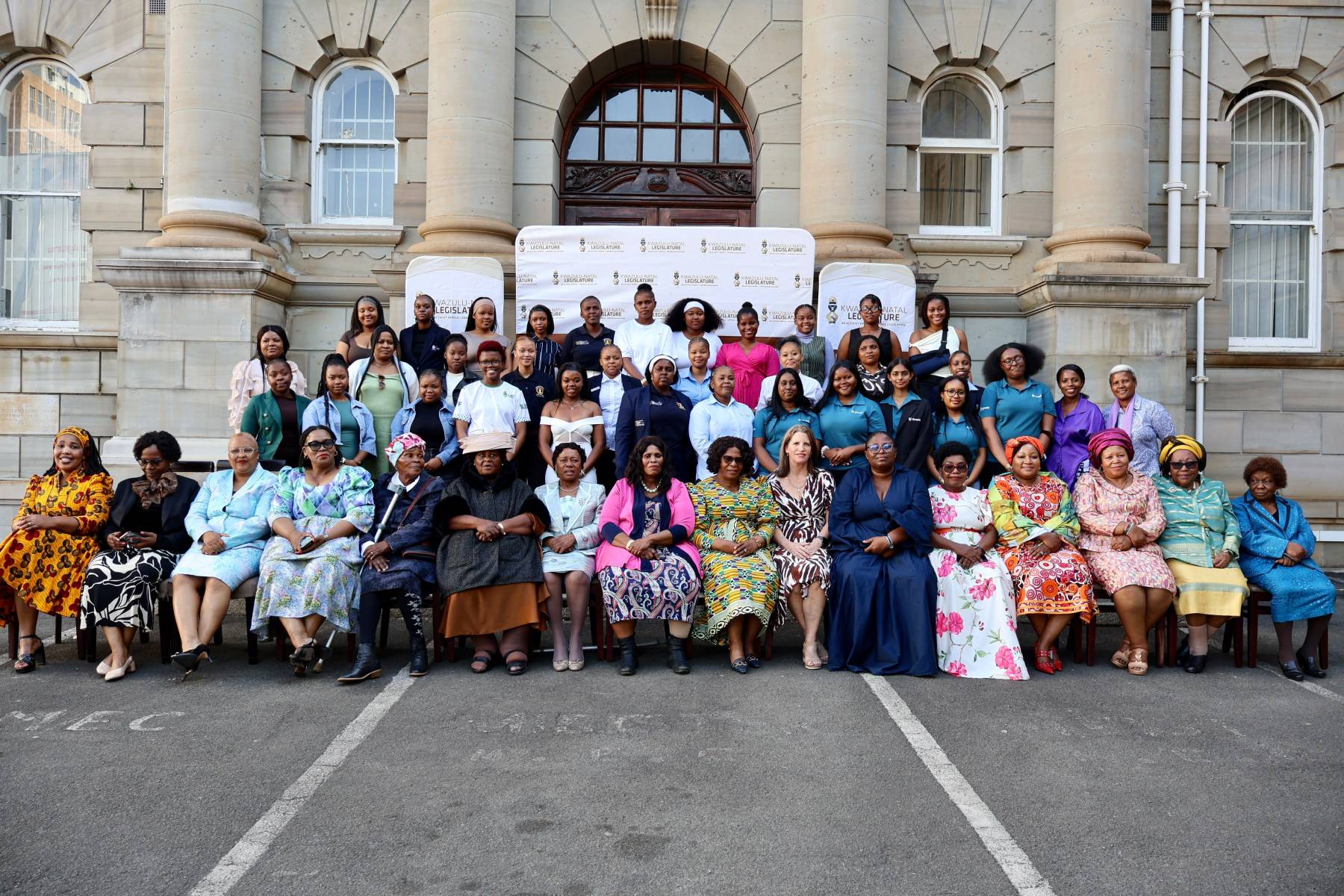
She was addressing women from all around KwaZulu-Natal who gathered in Ixopo today for the annual provincial Women’s Parliament. It was held under the theme: “Honouring our legacy, empowering our future: Women leading equality, justice, and inclusive growth”.

The Speaker acknowledged the strides that South Africa had made in addressing gender imbalances but emphasised that significant work remains to be done.

“The representation of women in strategic local government posts has decreased. I am urging you delegates to advocate for women’s representation in crucial local government positions. Boyce said.
“It is a fact that the largest number of people who participate in the elections are women and the highest number of members in all political parties are also women.”

The Commission on Gender Equality (CGE) recently reported that women’s representation in local government had declined from 41% in 2016
to 37% in 2021, reversing previous gains. The CGE recommended amendments to electoral legislation, stronger accountability for political parties, and greater support for women participating in politics.

Honourable Boyce’s call comes at a time when political parties are actively gathering candidate lists to represent them in the elections. Mayoral hopefuls are included.

The provincial Executive Council, headed by Premier Honourable Thami Ntuli, also attended today’s session, and gave an update on the progress made in putting into practice the resolutions of last year’s Women’s Parliament.

According to Ntuli, the province was committed to and had a definite plan for seeing that women were in positions of authority.

“Yesterday, we announced the appointment of Dr. Fikile Qwabe as the new HOD of the Department of Agriculture and Rural Development, and Ms. Nokuthula Khanyile was recently named the provincial Director General. This demonstrates our sincere dedication to this cause.”

ISSUED BY THE KWAZULU-NATAL COMMUNICATION

Read More

KZN LEGISLATURE COGTA PORTFOLIO COMMITTEE TO HOLD SECTION 132 HEARINGS WITH 12 MUNICIPALITIES TO ADDRESS GOVERNANCE AND PERFORMANCE CONCERNS

KZN LEGISLATURE COGTA PORTFOLIO COMMITTEE TO HOLD SECTION 132 HEARINGS WITH 12 MUNICIPALITIES TO ADDRESS GOVERNANCE AND PERFORMANCE CONCERNS

IN August and September this year, the CoGTA Portfolio Committee of the KwaZulu-Natal Legislature will undertake a series of Section 132 hearings to hold municipalities accountable for their adverse audit outcomes and financial management practices.

Section 132 of the Municipal Finance Management Act provides for provincial legislatures to exercise oversight over municipal annual reports. Honourable Marlaine Nair, the portfolio committee Chairperson, has described the hearings as very important, adding that they would allow the lawmakers to examine municipal audit findings and require municipalities to account for identified shortcomings and corrective action.

“These hearings are an important part of the legislature’s responsibility to strengthen accountability and ensure that municipalities respond clearly to financial, governance and performance concerns. The proceedings will be broadcast live on the KwaZulu-Natal Legislature’s official social-media platforms to allow the public to pose questions in the comments sections,” added Nair.

The hearings are scheduled as follows:

5 August 2026 – KZN Legislature Main Chamber

09h00: Msunduzi Municipality

13h00: Impendle Local Municipality

11 August 2026 – Amajuba Council Chamber

09h00: Amajuba District Municipality

12 August 2026 – uThukela Council Chamber

09h00: uThukela District Municipality

13h00: Endumeni Local Municipality

19 August 2026 – Council Chamber

09h00: uMkhanyakude District Municipality

1 September 2026 – KZN Legislature Main Chamber

09h00: eThekwini Metropolitan Municipality

4 September 2026 – Council Chamber

09h00: uMzinyathi District Municipality

8 September 2026 – Council Chamber

09h00: Nongoma Local Municipality

11 September 2026 – KZN Legislature Main Chamber

09h00: uMshwathi Local Municipality

12h00: uMvoti Local Municipality

14h00: uMsinga Local Municipality

ISSUED BY THE KWAZULU-NATAL LEGISLATURE COMMUNICATION UNIT ON BEHALF OF THE COGTA PORTFOLIO COMMITTEE CHAIRPERSON, HONOURABLE MARLAINE NAIR.

Enquiries: Mr Bongani Tembe

Read More

THE CHIEF WHIP OF THE KWAZULU-NATAL LEGISLATURE URGES POLITICAL PARTIES TO ACTIVELY ENCOURAGE COMMUNITIES TO PARTICIPATE IN THE UPCOMING LOCAL ELECTIONS

31 July 2026

THE CHIEF WHIP OF THE KWAZULU-NATAL LEGISLATURE URGES POLITICAL PARTIES TO ACTIVELY ENCOURAGE COMMUNITIES TO PARTICIPATE IN THE UPCOMING LOCAL ELECTIONS

Honourable Blessed Gwala, the Chief of the KwaZulu-Natal legislature, has called on all political parties to inform the populace of the significance of taking part in the next local government elections.

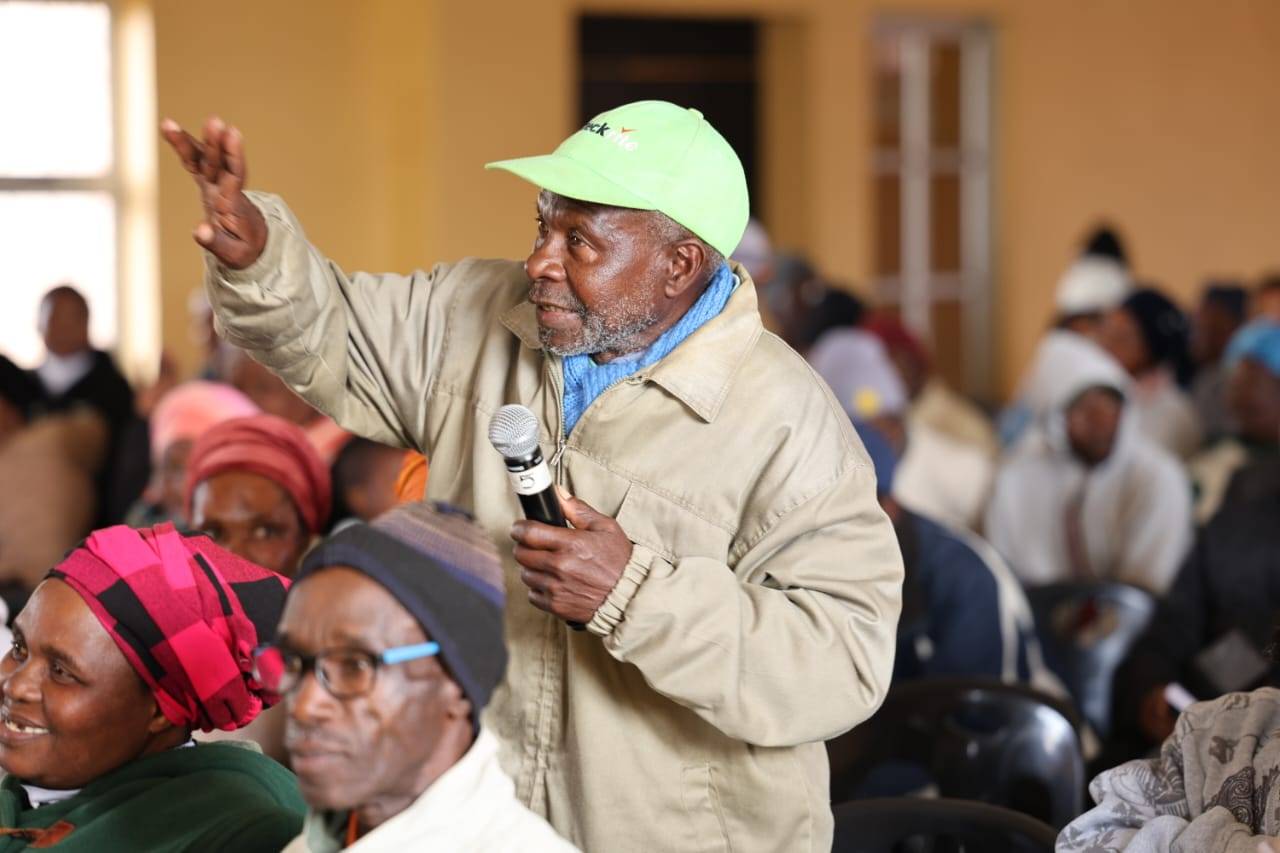
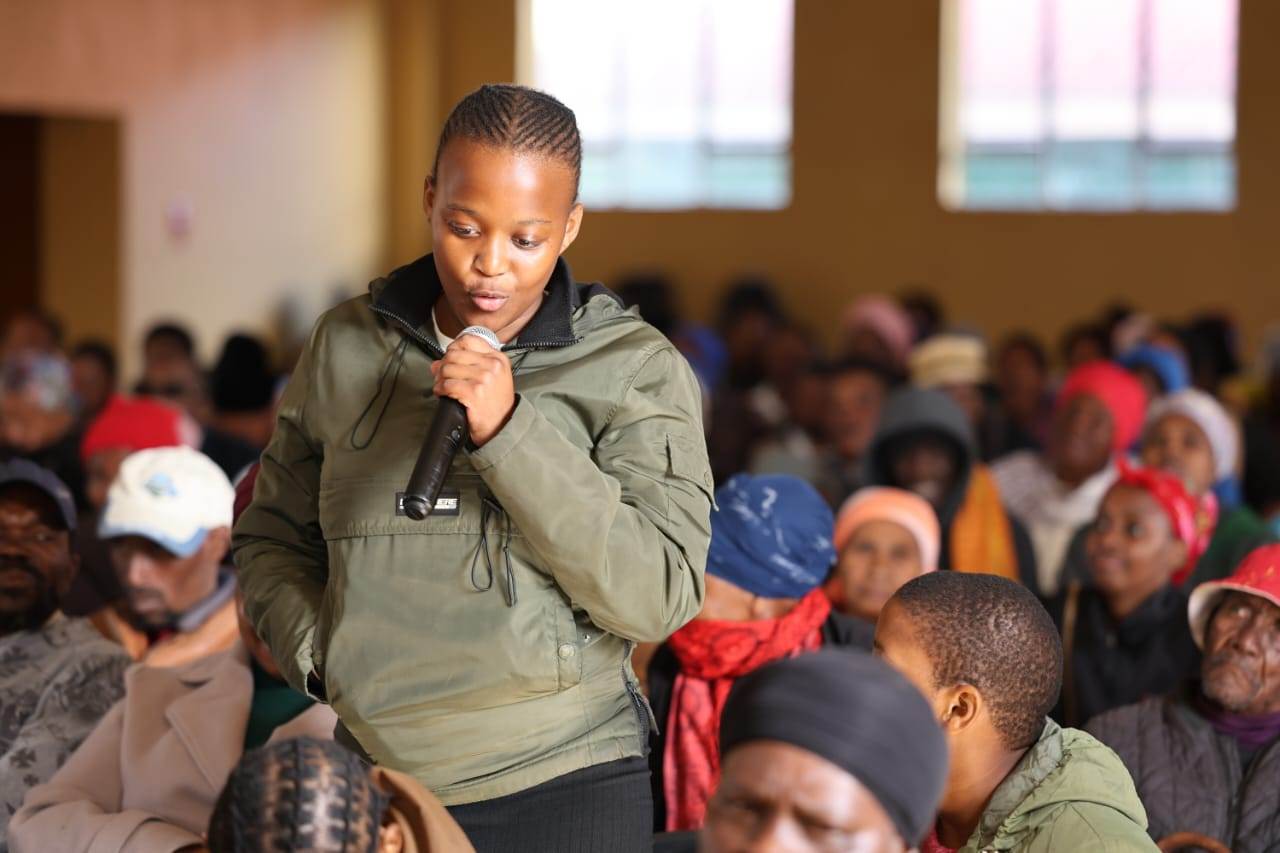
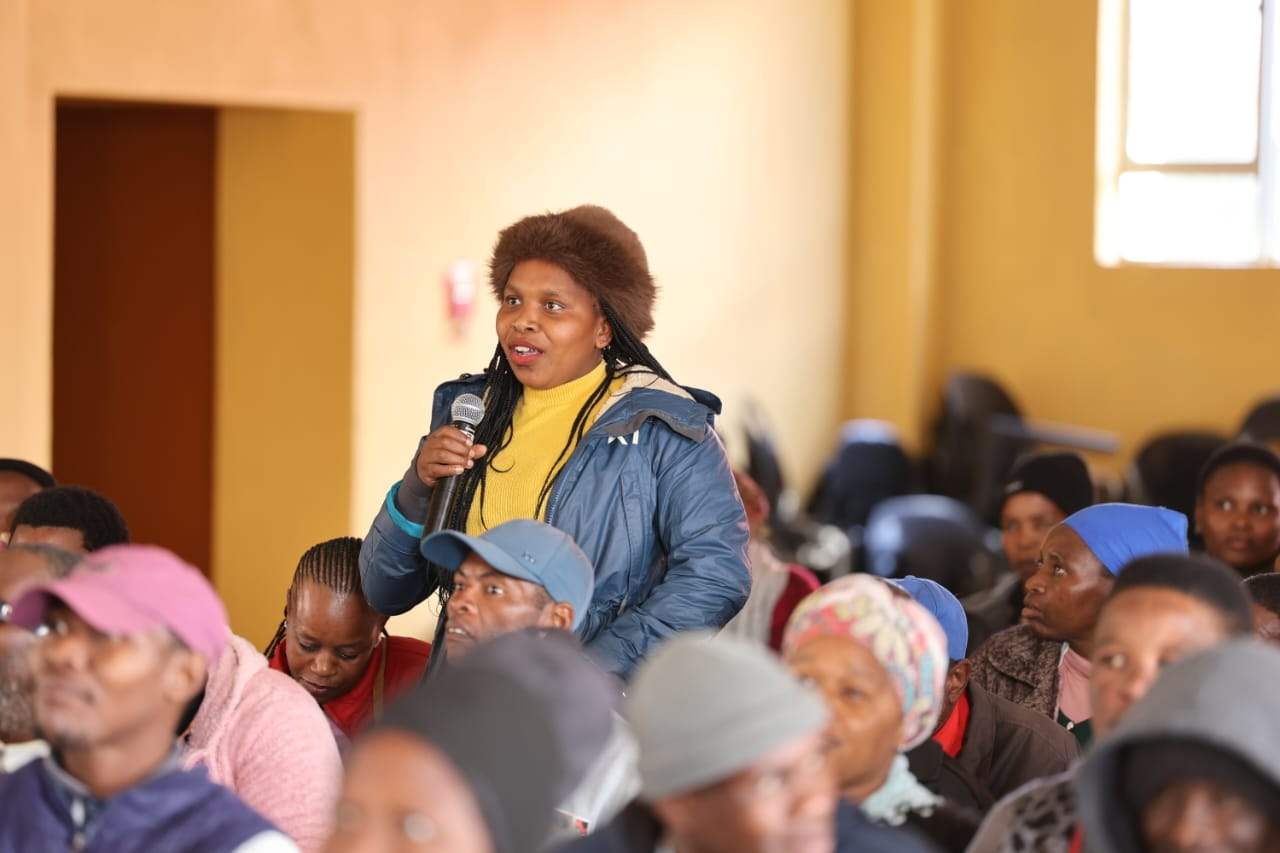
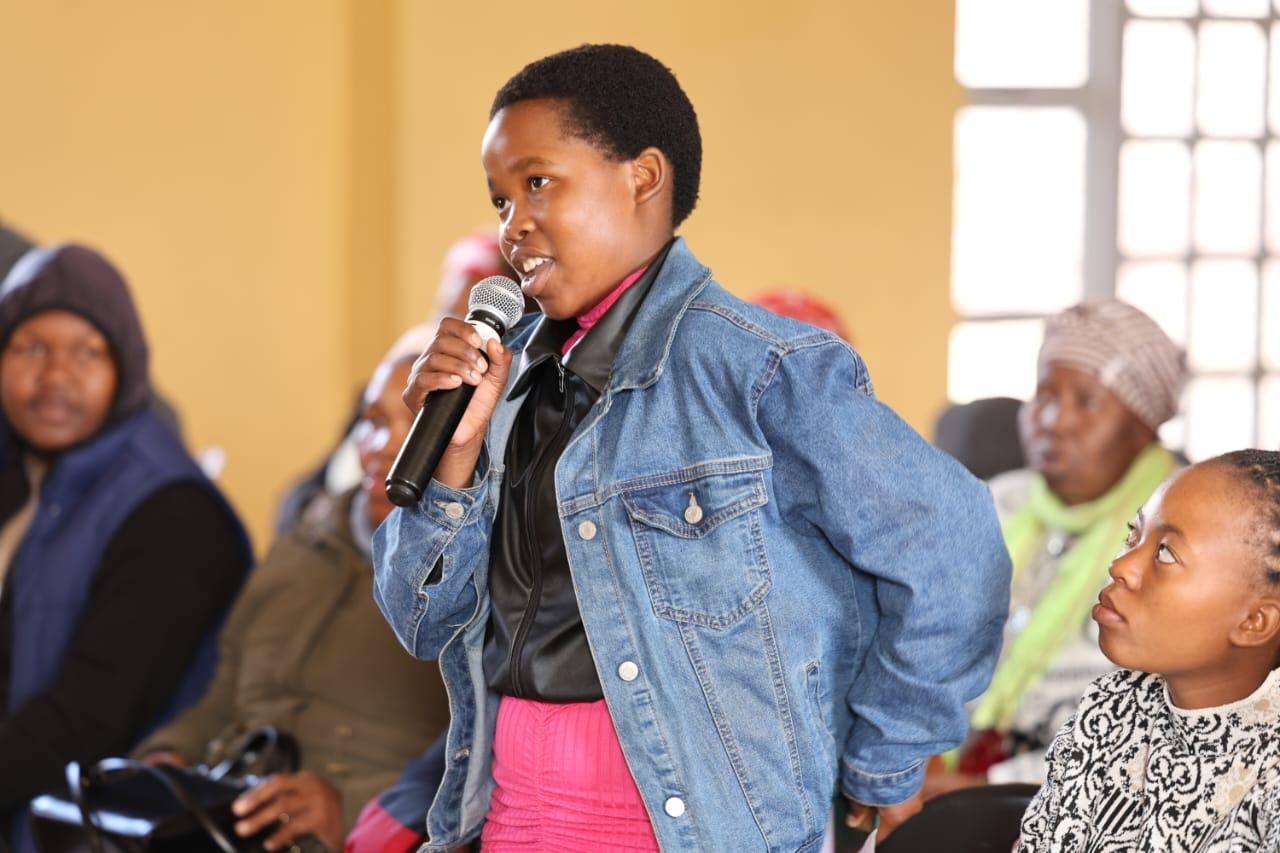
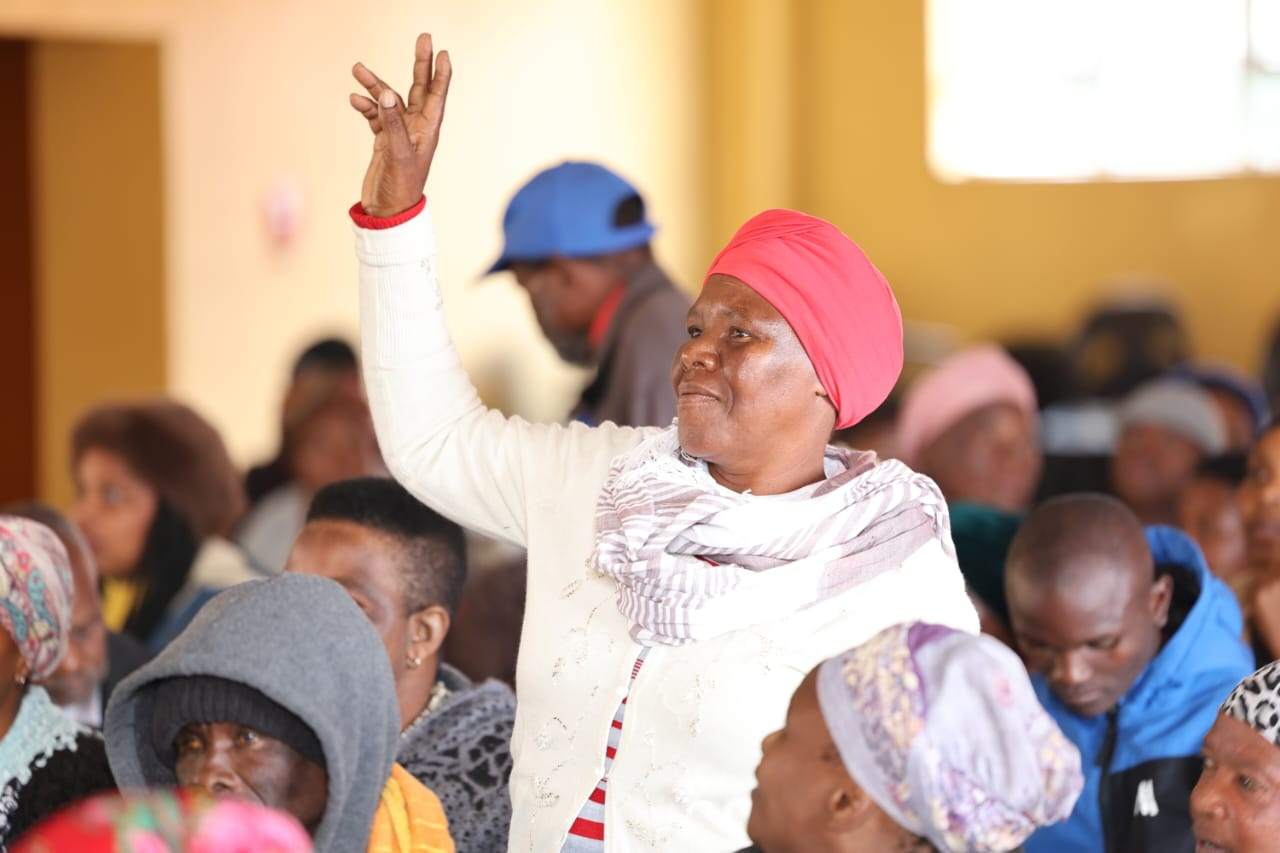
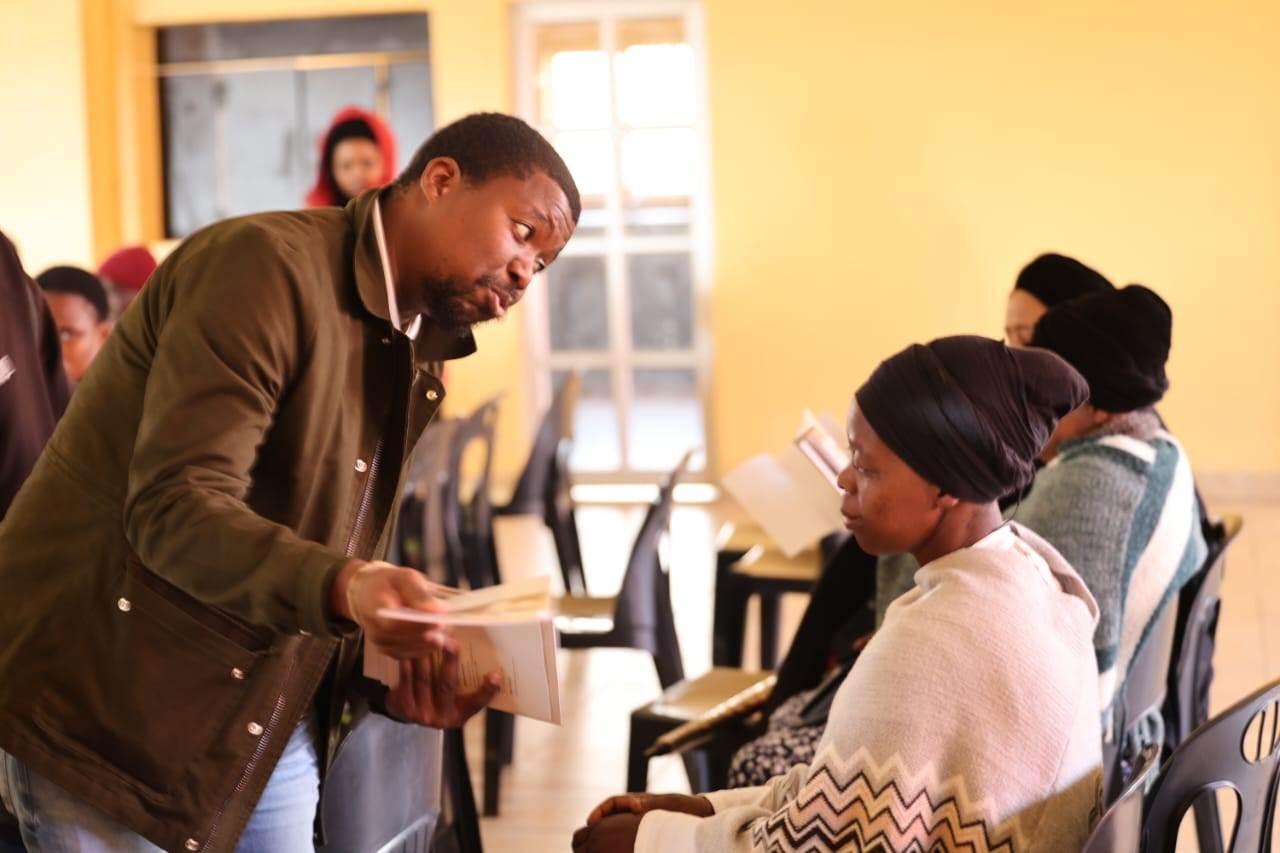
Speaking at the legislature’s voter education activation in Mdoni Municipality today, Gwala stated that political parties’ voter education efforts would increase participation and strengthen democracy.

He said that the legislature was running voter education programmes around the province to get communities ready for the elections as part of the institution’s responsibility to include residents in democratic processes. The campaigns are conducted in collaboration with the Department of Home Affairs and the Independent Electoral Commission, and they have already been conducted in nine districts.

Gwala continued, “Even though our voter education campaign led by our Speaker, Honourable Nontembeko Boyce, has had a huge effect since we started in August last year, we also ask all political parties to inform people of the value of exercising their democratic right to pick leaders who will represent them in municipalities. We will be able to stop voter apathy with more voter education efforts.”

Additionally, Gwala urged those who had not yet registered to vote to do so this weekend on Saturday and Sunday, which is the IEC’s final voter registration weekend.

The legislature’s remaining two voter education activations will be held in Harry Gwala and Umgungundlovu.

ISSUED BY THE KWAZULU-NATAL COMMUNICATION UNIT


Read More